
An acupuncturist views health and sickness hinges on concepts of “vital energy,” “energetic balance” and “energetic imbalance”. Just as the Western medical doctor monitors the blood flowing through blood vessels and the messages traveling via the nervous system, the acupuncturist assesses the flow and distribution of this “vital energy” within its pathways, known as “meridians and channels”.
The acupuncturist is able to influence health and sickness by stimulating certain areas along these “meridians”. Traditionally these areas or “acupoints” were stimulated by fine, slender needles.
Today, many additional forms of stimulation are incorporated, including herbs and tai chi to adjust the “vital energy” so the proper amount reaches the proper place at the proper time. This helps your body heal itself.
According to this interpretation, acupuncture is seen as a stimulus directed to certain responsive parts of the nervous system, producing the needling sensation and setting off a biochemical cascade which enhances healing. Some acupuncture points are very frequently used and their applications are quite varied: needling at these points may stimulate a “global” healing response that can affect many diseases. Other points have only limited applications; needling at those points may affect only one of the signaling systems. It is common for acupuncturists to combine the broad-spectrum points and the specific points for each treatment. Some acupuncturists come to rely on a few of these broad-spectrum points as treatments for virtually all common ailments.
For many nervous system functions, timing is very important, and this is the case for acupuncture. The duration of therapy usually needs to be kept within certain limits (too short and no effect, too long and the person may feel exhausted), and the stimulation of the point is often carried out with a repetitive activity (maintained for a minute or two by manual stimulation—usually slight thrusting, slight withdrawing, or twirling—or throughout treatment with electro-stimulation). It has been shown in laboratory experiments that certain frequencies of stimulus work better than others: this might be expected for nervous system responses, but is not expected for simple chemical release from other cells.
Generally speaking, acute, life threatening conditions are best handled by Western medical doctors. Routine health problems and chronic conditions, for which drug therapy and surgery have not been effective, often benefit from Acupuncture and Oriental Medicine.
The practitioner is well aware of the concern over infectious diseases, and takes every measure to insure cleanliness as all health care professional do.
Bleeding rarely occurs, unless done so on purpose in specific situations. Even then the amount is minimal and in no way dangerous.

A variation of acupuncture that uses heat, in which mugwort (Artemisia vulgaris) is rolled into a pea-sized cone, placed point up and burned almost to the skin; the cone is extinguished after a few seconds, and the warmth passes into the acupuncture meridian.
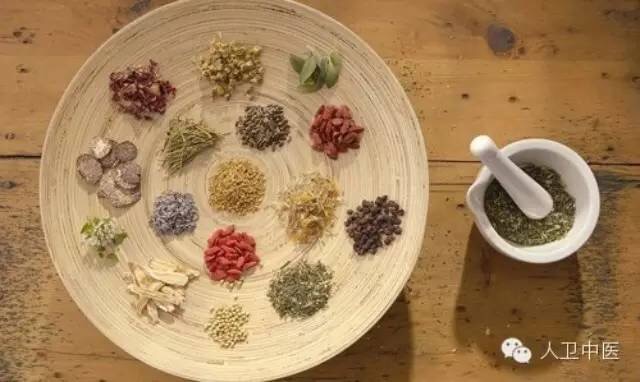
Herbal Medicine is another modality of Traditional Chinese Medicine. Chinese herbs are derived from organic substances found in plants, barks, roots, flowers, and even minerals and animal products. They have long been used in China to successfully treat ailments and are an integral part of Chinese medicine. Over the succeeding centuries, the use of Chinese formulas has evolved and adapted to the changing needs of society and an integrative medical landscape. Since the inception of Chinese herbal medicine, the beneficial healing effects, side effects, and contraindications have been well documented. It is quite rare that an herbal formula will illicit negative or harmful side effects, especially when prescribed by a well-trained Traditional Chinese Medicine (TCM) practitioner.
 Read more
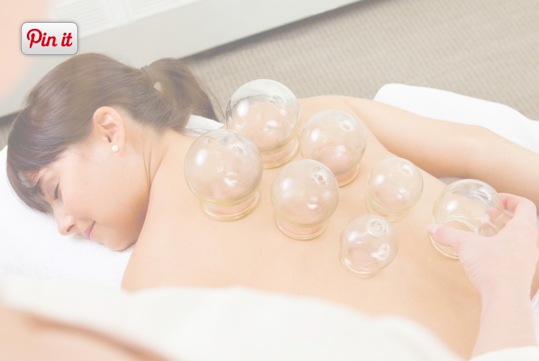
Cupping therapy is the method of using cups to create localized pressure. The Chinese have been doing this since ancient times by using heat inside glass or bamboo cups. Nowadays, cupping sets use suction to create the vacuum. The vacuum inside the cups causes the blood to form in the area and help the healing in that area.
Ancient Chinese medicine have believed that the body contains “Meridians”. These meridians are pathways in the body which the energy of life called Qi (“chi”) flows through. It flows through every body part, tissue, and organ. Cupping therapy is mainly performed on one’s back because there are five meridians on your back. When these meridians are opened, the internal energy is able to flow through the whole body.
Another healing aspect of cupping therapy is through the release of toxins in your body. The suction from the cups can penetrate deep into your tissues causing the tissues to release harmful toxins. It triggers the lymphatic system, clears the blood vessels, and stretches and activates the skin.
Cupping therapy has been found in ancient records dating back 3500 years and it is still used today by many alternative medicine practitioners. New advancements in technology and materials have been integrated with cupping therapies and its uses now range for many different treatments and applications.
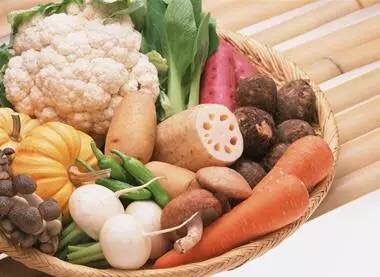
In ancient China, nutrition was considered the primary medicine of choice that encompasses the energetics of foods. Every food has a type of energy in addition to its physical components: foods are warming or cooling, drying or moistening, and so on.
Different foods also affect different TCM organ systems, so that a patient’s diet may be altered to specifically target, the liver or kidney channels. As such, the Chinese system considers how food affects the body, on an energetic level, when it is eaten.
